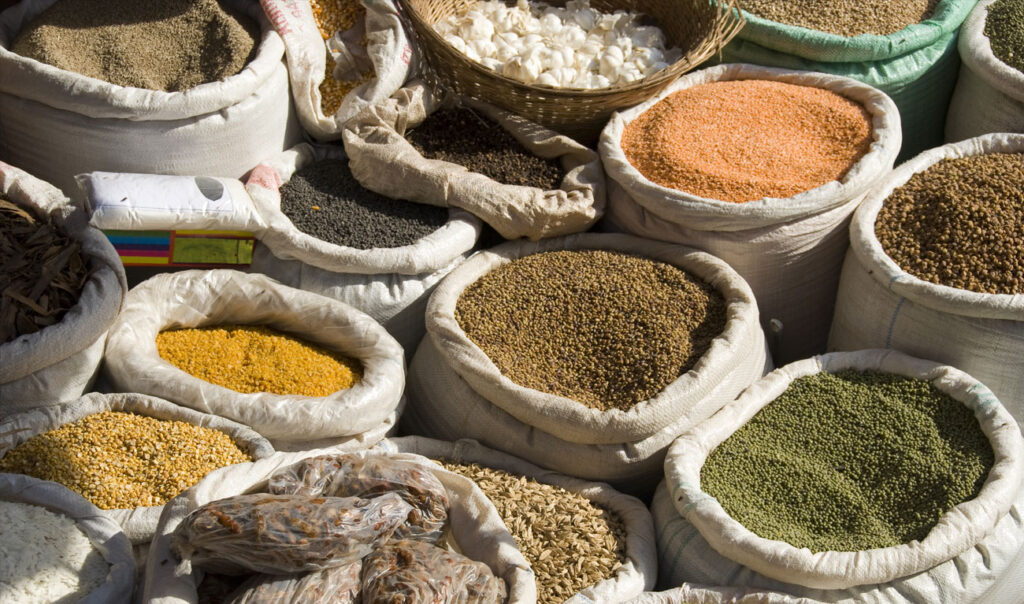
The holy trinity of spices are turmeric, coriander, and cumin powder. These spices help with digestion by increasing the secretion of digestive juices. Turmeric also helps as an inflammatory property. The ancient Turmeric milk, today popular as the Golden drink or Turmeric latte, helps fight colds and other seasonal infections.
The holy trinity of ingredients are ginger, garlic, and green chilies, they not only add flavor to a dish but are good for your heart and help in cholesterol and lowering blood pressure. Ginger and garlic are loaded with nutrients – necessary and beneficial to human health, and chilies improve metabolism.
Most spices have an expiration date – they do lose their flavor. Nothing lasts forever. Ever wondered why your food doesn’t taste good, remember to check the spices you use. Always grind your own spices and just enough for 3 weeks as that is the normal shelf life for spices.
People follow recipes to guide you on how much spice to add and when you must do so. But remember, do not get stuck on the 1 tsp/tbsp. and learn to measure with your senses.